
Improving the circularity of commercial interiors is increasing in importance, with building owners, occupiers, designers and specifiers looking at ways to reuse materials in refurbishment and fit-out projects.
Retaining existing materials can help reduce both the embodied carbon and costs associated with sourcing new products, whilst reducing construction waste.
However, turning the ambition of material reuse into a practical reality presents some challenges. Questions around product performance, warranties, logistics, storage and financial viability can all influence whether materials are recovered for another life or end up as waste.
A key enabler can often be overlooked: how materials are installed in the first place.
In commercial interiors, flooring is frequently removed long before it reaches the end of its useful life. Traditional permanent adhesive installation can make recovery difficult, contaminating flooring backings and damaging valuable sub-floors during removal.
Flooring designed for disassembly, using reversible fixing systems, provides a practical way to overcome this. By allowing floor coverings to be cleanly uplifted without adhesive contamination, reversible fixings help preserve the condition and value of materials, making them easier to recover, refurbish, relocate and reuse.
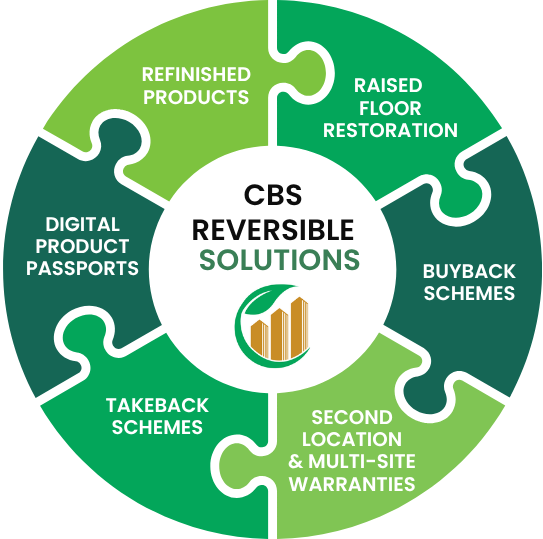
At Circular Building Solutions, we work with manufacturers and specialists across the supply chain to help unlock barriers to material reuse. From second-location warranties and manufacturer buyback schemes to refurbishment services and emerging leasing models, we explore some of the ways the industry is developing practical solutions to keep flooring materials in circulation for longer via design for disassembly.
Second-location warranties: giving reused flooring performance assurance
One of the common barriers to flooring reuse is uncertainty around product performance. Specifiers and clients need confidence that recovered flooring will continue to meet the required performance standards when installed in a new location.
This is particularly relevant in commercial interiors, where frequent changes in occupancy, workplace requirements and design preferences can result in flooring being replaced well before the end of its useful life.
Two manufacturers demonstrating how reversible fixing systems can help address this challenge are Shaw Contract EMEA and Broadleaf Timber.
Shaw Contract EMEA offers a second-location warranty for its commercial carpet tiles when they are installed using our IOBAC MagTabs® or Tab-It® reversible fixing systems.
This industry-first warranty provides assurance that eligible Shaw Contract carpet tiles can be recovered and installed in a second location whilst retaining warranty protection, subject to the manufacturer’s conditions.
The initiative offers a valuable option to specifiers and building owners, providing them with greater confidence when considering flooring reuse as part of a commercial fit-out strategy.
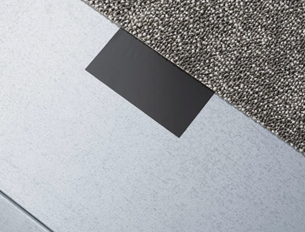
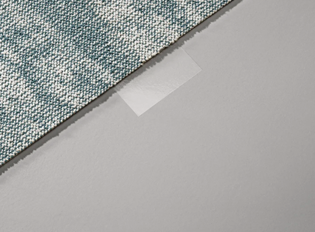
Photo credit: Shaw Contract
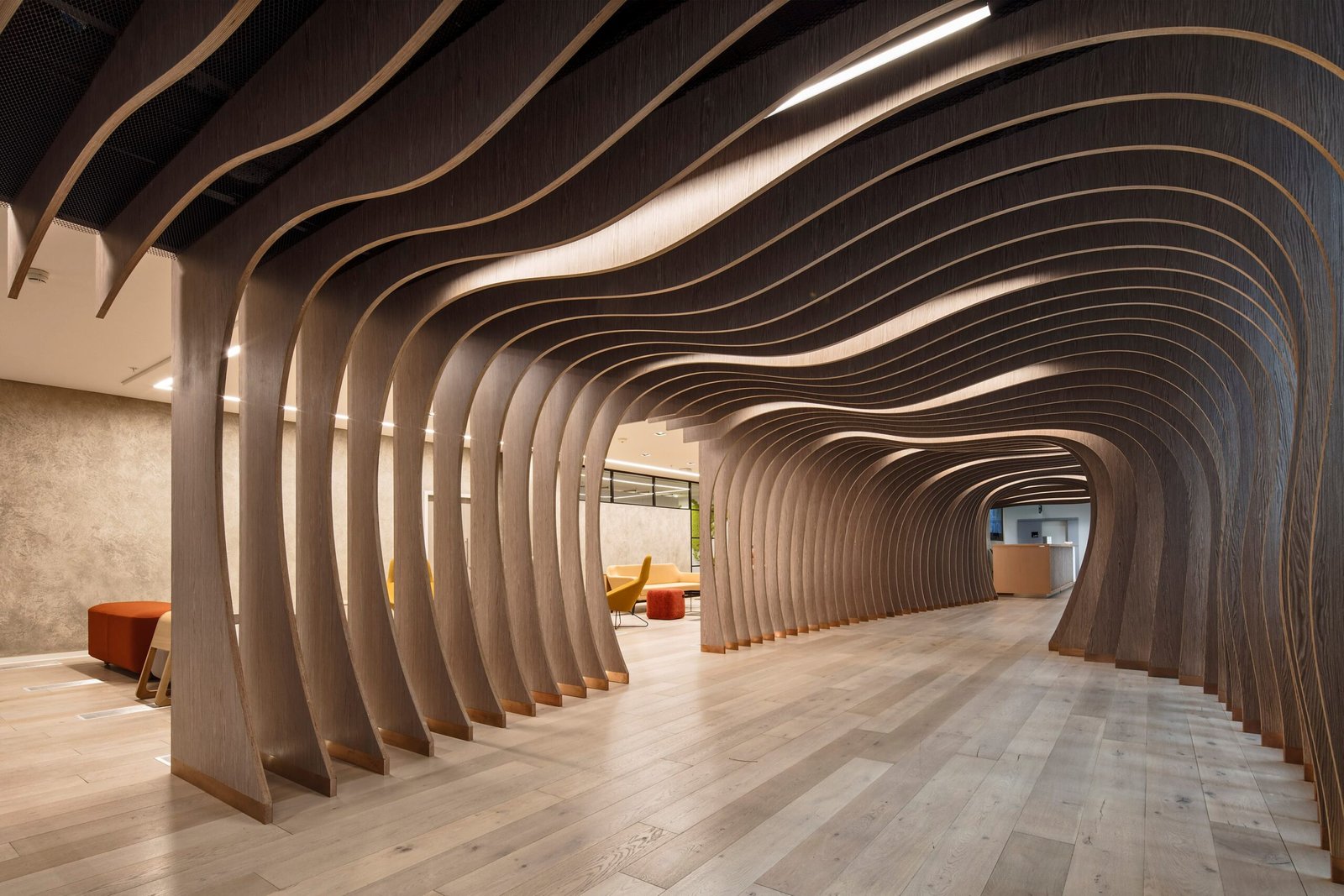
Photo credit: Broadleaf Timber
Broadleaf Timber offers a multi-site warranty for its Magnetree magnetic wood flooring, powered by the CBS Magnetic Wood System.
This enables purchasers to relocate their flooring and reuse it in another location under an extended structural warranty, subject to the manufacturer’s requirements for handling, storage and installation.
Together, these examples demonstrate how manufacturers can build confidence in second-life flooring by addressing performance and warranty considerations at the outset.
Crucially, reversible fixing systems provide the practical means of recovering flooring in a condition that makes these options possible.
Refurbishment and refinishing: preparing flooring for its next life
Recovered flooring may sometimes require cleaning, repair or refinishing before it can be reused. The extent of the work needed will depend on the material, its condition and the requirements of the next project.
The way flooring is installed can have a significant influence on how easily it can be refurbished.
Permanent adhesives can leave residues on the backing of floor coverings, making cleaning and reconditioning more difficult. They can also damage the material during uplift.
Reversible fixings help avoid these issues by allowing flooring to be removed cleanly, without permanent adhesive contamination. This can reduce the work required during refurbishment and improve % flooring recovery rates, increasing the amount of recovered material available for resale and reuse.
We work with specialist restoration partners to develop these opportunities further.
Welltek, through Encore by Design‘s professional carpet tile reconditioning service, promotes our adhesive-free installation to support cleaner uplift and more efficient refurbishment.
Similarly, we collaborate with Detac Systems who, after reinstating raised access floor panels using their solvent-free processes, promote the use of our reversible fixing mechanisms for subsequent installations.
And for timber flooring, Broadleaf Timber offers a refinishing service for uncut Magnetree magnetic wood flooring ahead of reinstallation.
This can help extend the life of flooring in its original location or prepare it for use in another project.
The original finish can be refreshed, or the colour changed to suit a new interior scheme.
Additional flooring can also be supplied to replace cut elements or extend the installation into a larger area.
These services demonstrate how combining reversible installation with specialist refurbishment capabilities can help retain the value of existing flooring and make reuse a more practical option.

Photo credit: Welltek/Encore By Design
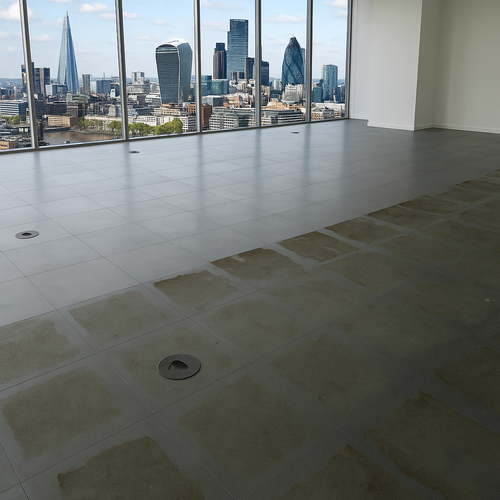
Photo credit: Detac Systems
Manufacturer takeback and buyback schemes: creating a route to reuse and recycling
Even when flooring cannot be reused directly, there are opportunities to recover its value through manufacturer takeback and buyback programmes.
Many flooring manufacturers operate takeback schemes, often focused on recovering materials for closed loop recycling back into new products, providing an alternative to disposal and helping retain material value within the manufacturing cycle.
The condition of flooring at the point of recovery can influence how efficiently these programmes operate.
Adhesive-free installation helps by keeping flooring backings free from permanent adhesive contamination, making materials easier to separate and process.
For this reason, woven vinyl tile manufacturer Bolon allows all rugs and products installed using non-permanent methods to be returned under its Back2Bolon programme and recommends our IOBAC MagTabs® and Tab-It® fixings.
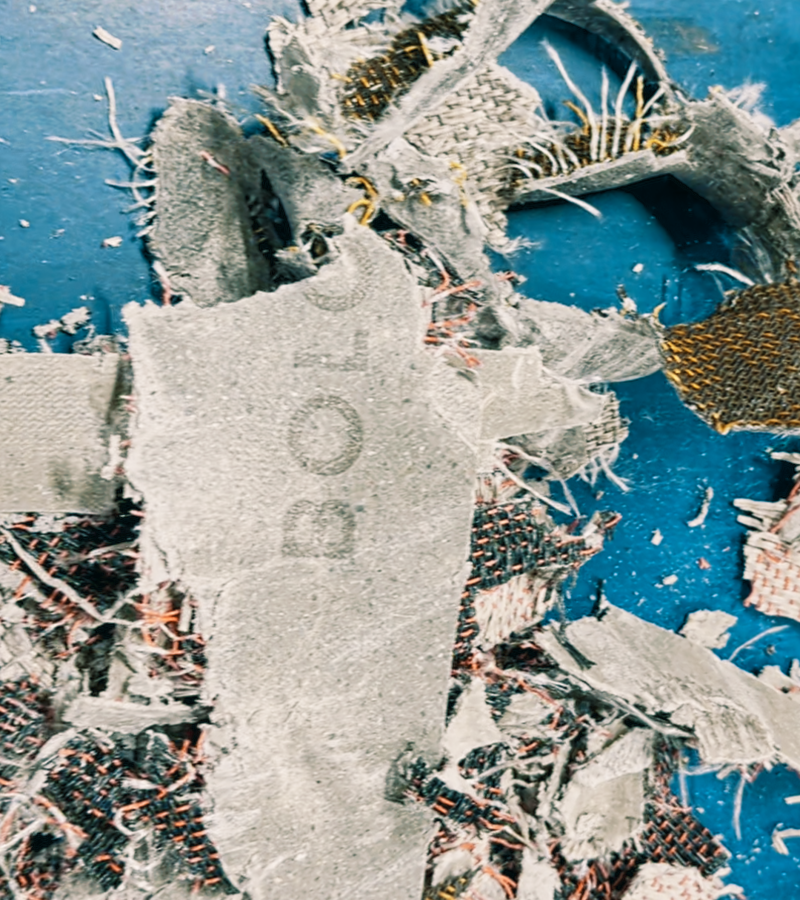
Photo credit: Bolon
Broadleaf Timber‘s Magnetree buyback scheme goes a step further by providing a financial incentive for reuse.
Under its scheme, when an installation needs to be stripped out, or the space repurposed, the original purchaser can return any magnetic wood flooring that is no longer needed.
Broadleaf Timber will inspect the flooring and buy back every re-usable m2 for £10, after which they’ll refinish it and store it for re-sale as modern day reclaimed flooring, creating a defined route to a second life.
For any flooring assessed to be unsuitable for re-use (e.g. cut pieces, excessive damage or sanding, abnormal humidity levels) Broadleaf Timber commit to recycling it at no cost.
For the original purchaser, the scheme offers a practical and attractive way to reduce the costs and practical challenges associated with flooring disposal.
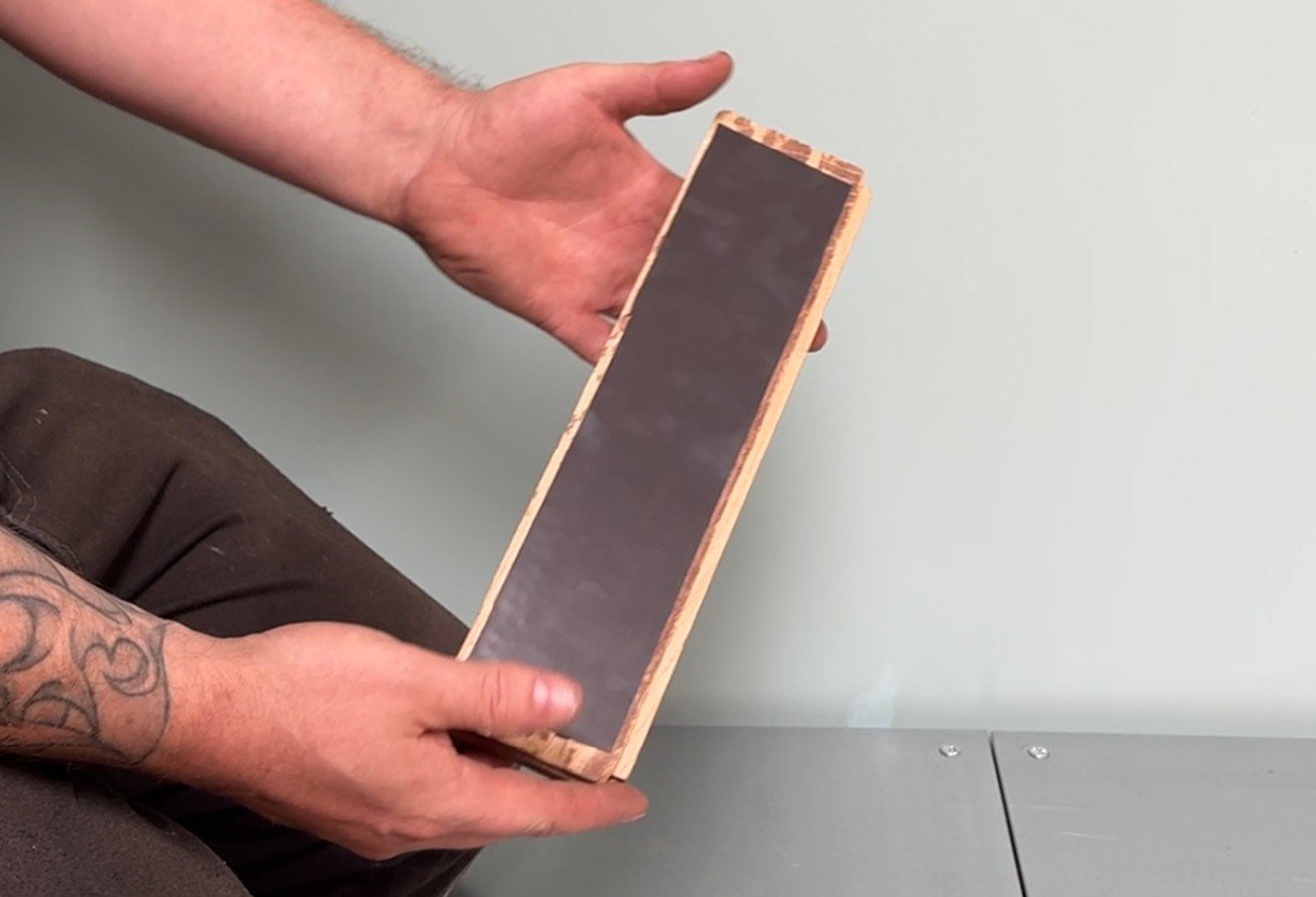
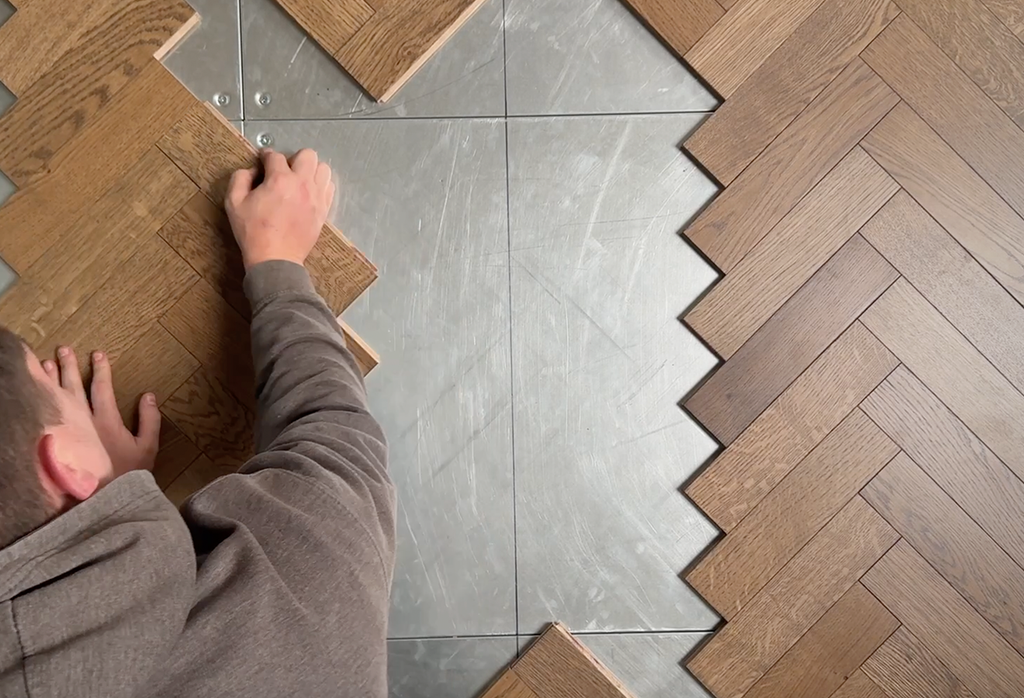
Photo credit: Broadleaf Timber
And finally, carpet recovery expert Envirocycle London supply our reversible MagTabs and Tab-It fixings with orders of its reclaimed carpet tiles, making them easier to uplift cleanly and potentially reuse again in the future.
These examples illustrate the importance of designing recovery into the product lifecycle. Reversible fixings help make materials easier to recover, while manufacturer takeback and buyback schemes provide the infrastructure and commercial mechanisms needed to give them another life.
Looking ahead: new business models and product lifecycle management
As the commercial interiors industry moves towards more circular business models, the way flooring is specified, purchased, installed and managed throughout its life is likely to evolve.
The direction of travel for product manufacturers is towards greater responsibility for the entire lifecycle of the materials they place on the market.
Extended Producer Responsibility (EPR) is already being implemented in areas such as packaging, whilst wider circular economy policy and regulation are placing increasing emphasis on product durability, resource efficiency, waste reduction and end-of-life management.
For flooring manufacturers, this creates an opportunity to consider how products can be designed, installed and recovered to support longevity.
Digital product passports are another emerging development.
By recording information about a product’s composition, origin, performance and disassembly instructions, they could make it easier to identify materials, assess their suitability for reuse and manage their recovery at the end of an installation.
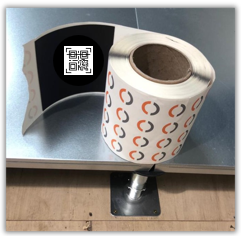
CBS is exploring how reversible fixing systems can contribute to this process by acting as data carriers.
For example, RFID tags could be embedded within selected fixing components to help associate flooring installations with relevant product and project information.

Flooring designed for disassembly also allows alternative financing models to be explored.
Coupling our sustainable, circular flooring with flexible financing options, REVERSA™ Floor Leasing is facilitated by commercial fit-out finance experts Plus Finance, demonstrating how a flooring-as-a-service model can be commercialised.
Making flooring reuse part of the specification
The transition to circular commercial interiors requires collaboration across the entire supply chain, with flooring designed for disassembly an important part of the equation.
By replacing permanent adhesive installation with reversible fixing systems, CBS helps make flooring easier to uplift, protect and recover.
This creates the conditions for manufacturers to offer second-location warranties, specialists to refurbish recovered materials and businesses to develop takeback, buyback and leasing models.
The fixing method may be a relatively small part of the overall flooring specification, but its influence on the future recovery and reuse of materials can be significant.
By designing for disassembly today, we help make tomorrow’s material reuse a practical reality.




Comments are closed