

Circular Building Solutions (CBS) is delighted to join the UK Green Building Council (UKGBC) as an Innovative Start-Up member, strengthening our connection with a network working to accelerate the transition to a more sustainable built environment.
Our membership comes at an important time for commercial interiors, as designers, contractors, manufacturers and building owners look for practical ways to reduce waste, retain material value and design buildings for longer life.
We are also pleased to have our reversible floor fixings featured on the UKGBC Commercial Retrofit Innovation Map, alongside hundreds of solutions identified as having a role to play in more sustainable commercial retrofit.

Innovative Start-Up member
UKGBC’s Innovative Start-Up membership is designed for organisations developing and scaling solutions that can help transform the sustainability of the built environment.
Membership provides innovative businesses with opportunities for market insight, industry engagement and collaboration.
Benefits include access to UKGBC’s wider innovation network, opportunities to contribute to industry initiatives and events, and an opportunity to showcase solutions in its Solutions & Innovation Advisory Group.
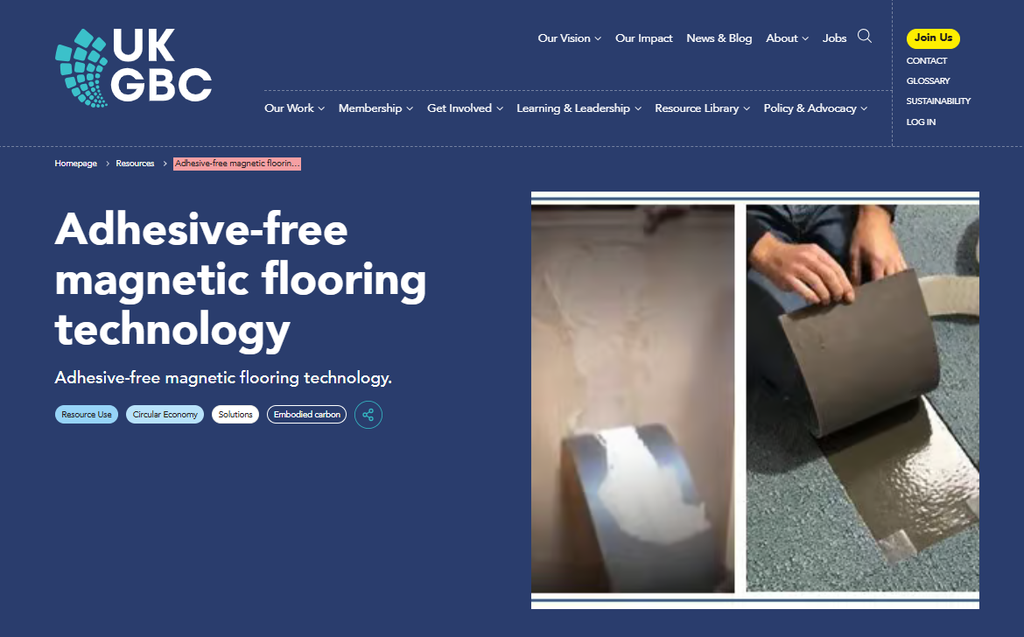
This provides Circular Building Solutions an opportunity to connect with the wider built environment community and contribute to conversations around how practical innovation can support more circular approaches to construction and refurbishment.
Our focus is a relatively simple change to the way flooring is installed, with potentially significant implications for what happens to a floor later in its life.
Featured on the Commercial Retrofit Innovation Map
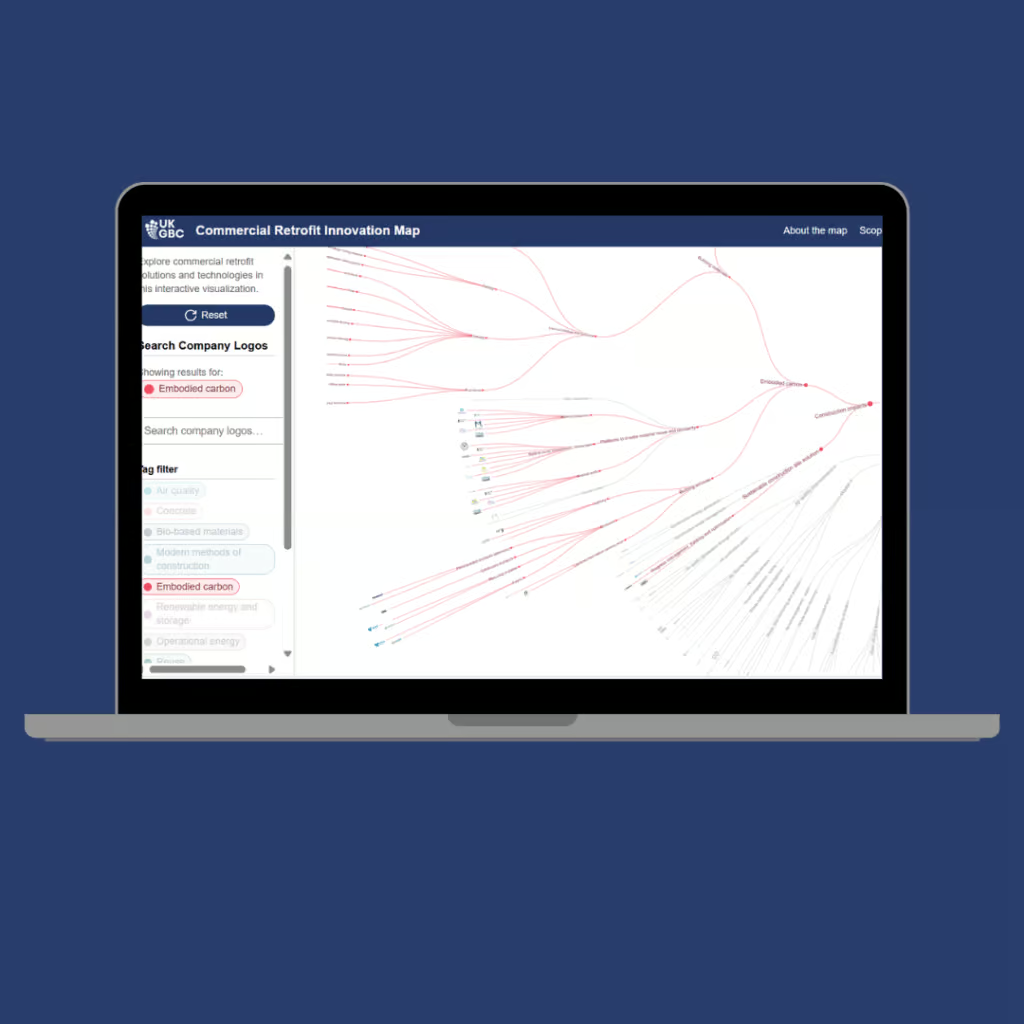
Our reversible floor fixing solutions are also featured on the UKGBC Commercial Retrofit Innovation Map, a live, structured tool designed to help project teams identify and compare innovative solutions for commercial retrofit.
The map brings together solutions across areas including energy, water, waste, circularity and low embodied carbon materials.
UKGBC describes it as a practical resource for built environment professionals, including architects, developers, engineers and other decision-makers involved in retrofit projects.
It currently includes more than 530 solutions organised across 162 intervention points, helping users explore innovation through a structured taxonomy rather than searching for solutions in isolation.
For commercial interiors, that includes solutions that can support circularity, material reuse and lower-impact refurbishment.
Why innovation matters in commercial retrofit
The UKGBC Innovation Map was created in response to a challenge facing the built environment: innovative solutions are emerging across the sector, but information can be fragmented across different organisations and disciplines.
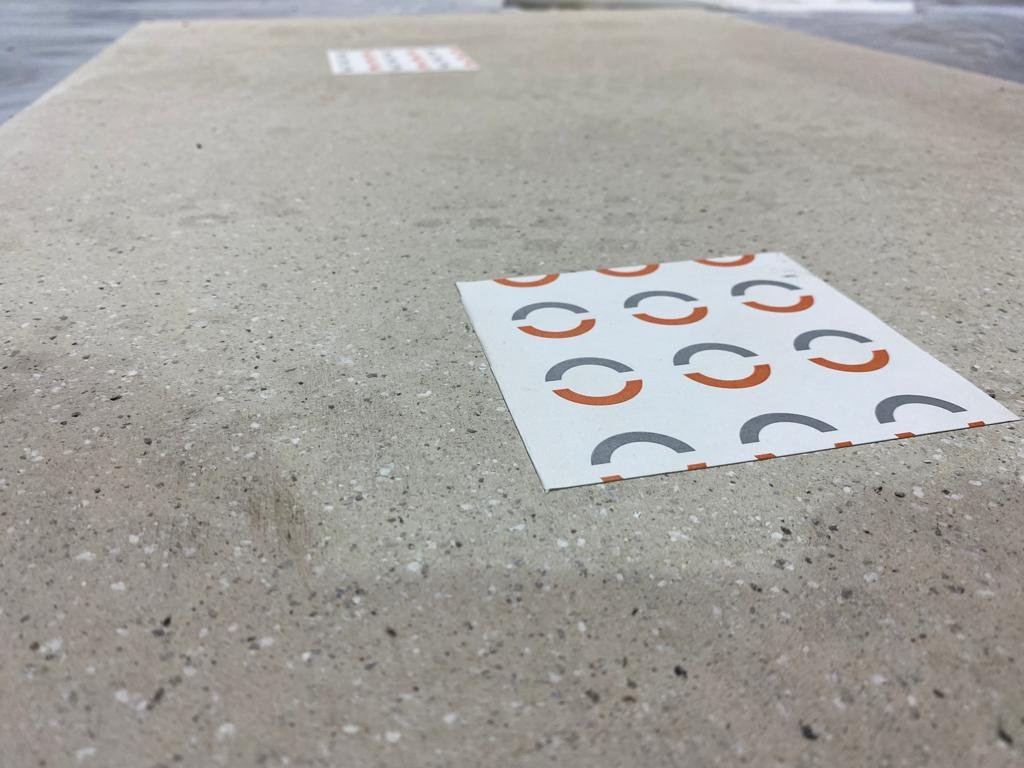
By bringing solutions together in a structured resource, the map aims to make it easier for project teams to discover relevant innovations and consider how they could be applied to real projects.
For innovators such as Circular Building Solutions, being included provides another route for architects, designers, contractors, developers and other project teams to discover technologies that could support their retrofit objectives.
It also reinforces an important principle for the circular economy: the way a material is installed can influence what happens to it later.
Building for change
Commercial buildings are continually changing.
Floors are replaced, layouts evolve, services need access and spaces are adapted to new uses.
Designing for that change means thinking beyond the first installation.
At Circular Building Solutions, we are developing flooring installation systems that make reversibility part of that thinking.
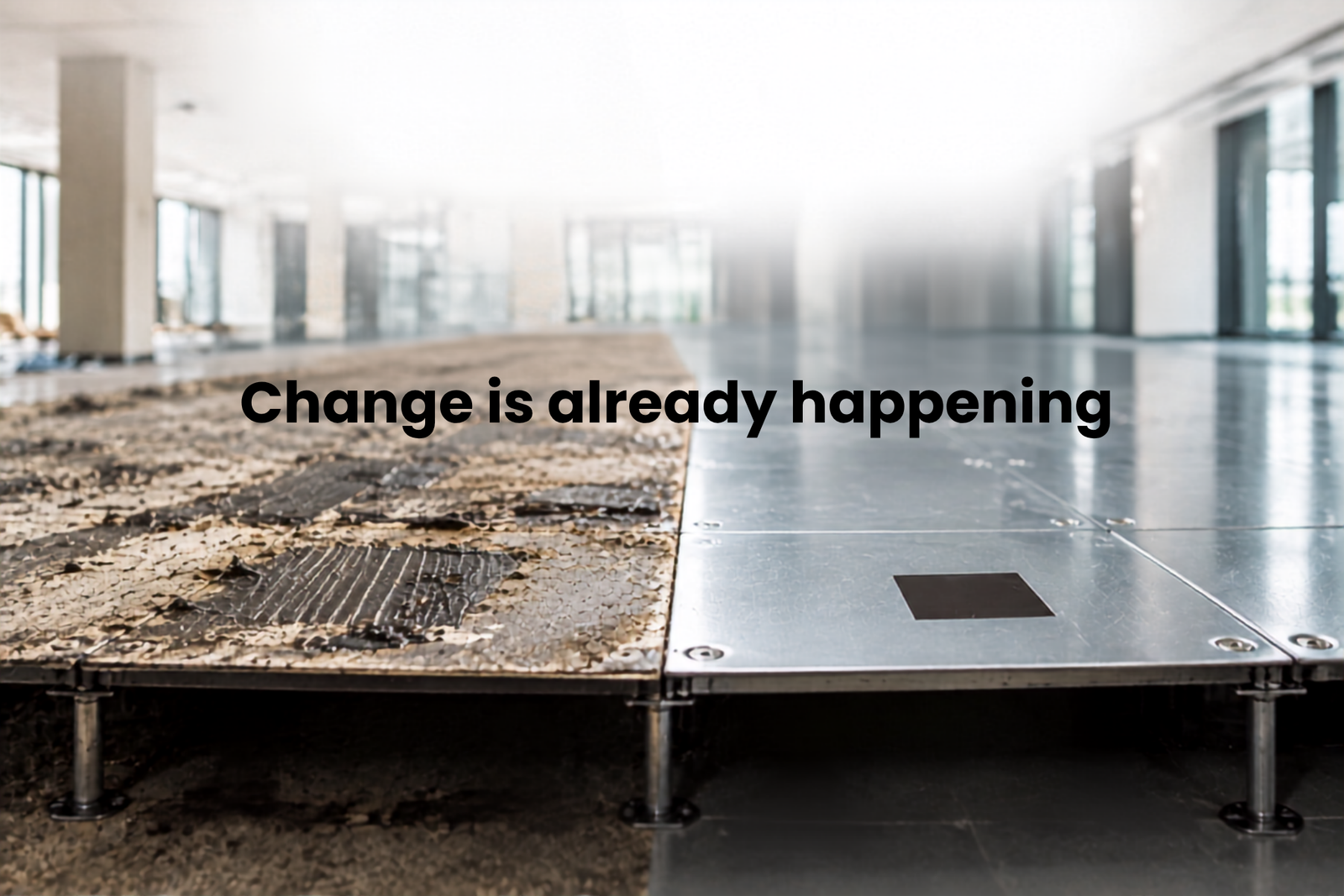
Joining UKGBC as an Innovative Start-Up member and being featured on the Commercial Retrofit Innovation Map gives us the opportunity to connect with others working towards a more sustainable built environment and to help demonstrate how practical changes in commercial interiors can support circularity and design for disassembly.



Comments are closed